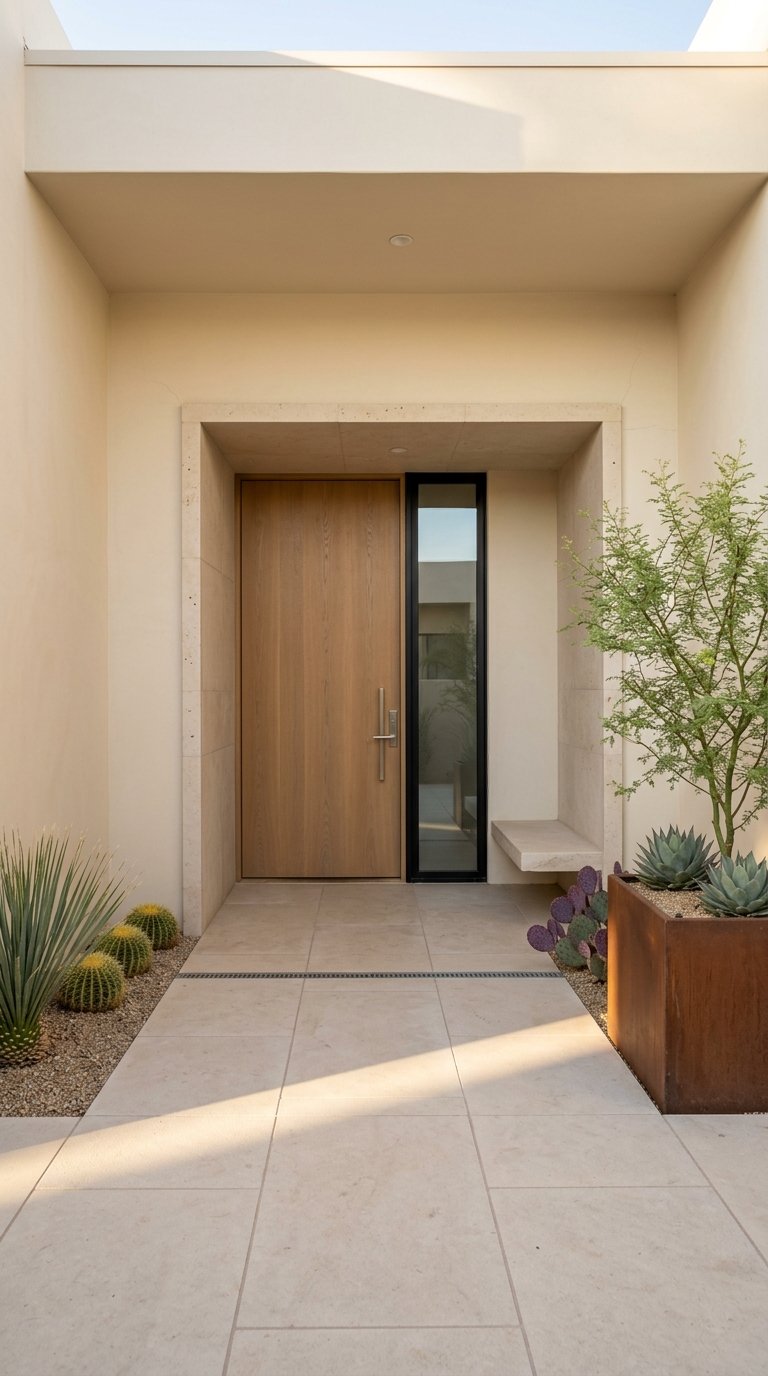
Exploring Lock-And-Leave Luxury Living In Phoenix
June 4, 2026
June 4, 2026
If you love the idea of luxury living without the constant to-do list, Phoenix has options worth a closer look. Many buyers want a home that feels elevated, secure, and easy to step away from, whether for travel, seasonal use, or simply a lower-maintenance lifestyle. In Phoenix, lock-and-leave living can offer exactly that, but it also comes with important tradeoffs you should understand before you buy. Let’s take a closer look.
In Phoenix, “lock-and-leave” is more of a lifestyle than a single property type. It often overlaps with condos, townhomes, and HOA-governed communities where exterior maintenance and many common-area responsibilities are handled by the association.
You may also see this lifestyle in some patio-home-style residences and gated communities. The common thread is convenience: less day-to-day upkeep, easier travel, and a home base designed to simplify ownership.
That matters in a market like Phoenix, where attached homes can offer a very different experience from single-family properties. In April 2026, Phoenix townhomes and condos had a median sales price of $320,000, compared with $503,500 for single-family homes. The attached segment also had 92 days on market and 6.9 months of inventory, versus 3.8 months of inventory for single-family homes.
For you as a buyer, that means two things. First, attached homes often serve as the lower-maintenance entry point in Phoenix. Second, this segment may give you more options and a little more time to compare communities, amenities, and monthly costs.
Phoenix’s luxury lock-and-leave options tend to cluster in two distinct settings. One is the resort-oriented inner-ring luxury market. The other is the urban core with transit access and a more city-centered lifestyle.
The Arizona Biltmore Estates area is one of the clearest examples of lock-and-leave luxury in Phoenix. It is described as a guarded and gated resort-destination community with luxury homes, townhouses, and condominiums in central northeast Phoenix.
This area is known for proximity to golf courses, the Wrigley Mansion, Biltmore Fashion Park, and resort-style recreation. The broader Biltmore neighborhood stretches roughly from 24th Street to 32nd Street between Camelback and Lincoln, giving you a central location with easy access to dining, shopping, and major routes.
Pricing also reflects its premium position. Current Biltmore listing snapshots show condos at a median listing price of about $430,000 and townhouses at about $649,000. That sits well above the citywide attached-home median of $320,000, which helps illustrate how Biltmore occupies a more upscale niche within Phoenix’s lock-and-leave market.
If your version of luxury leans more urban than resort-style, Phoenix also offers lock-and-leave possibilities in and around the central city. City planning materials describe Central City Village as downtown, the urban center for Phoenix and a transportation hub with freeway access, public transit, and Sky Harbor International Airport.
Midtown sits just north of downtown along the Valley Metro light-rail line. Phoenix also applies its Walkable Urban Code in several transit-oriented districts, including Midtown and Uptown-related areas, which reinforces the appeal of a connected, lower-maintenance lifestyle close to daily conveniences.
For some buyers, that location story is the biggest luxury of all. Being near work centers, dining, entertainment, transit, and the airport can be just as valuable as having resort amenities behind the gates.
The appeal usually comes down to freedom and simplicity. Instead of managing a larger lot, ongoing exterior upkeep, or a long list of maintenance vendors, you may have a community structure that handles much of that work for you.
In many Phoenix luxury communities, the package also includes lifestyle amenities. Current Biltmore condo and townhome examples highlight features such as gated access, pools and spas, fitness centers, clubhouses, covered or underground parking, private patios, and close proximity to shopping, dining, trails, golf, and the airport.
For second-home buyers, frequent travelers, downsizers, and relocating professionals, that combination can be especially attractive. You get a home that supports a more flexible lifestyle while still offering comfort, convenience, and a polished setting.
Low-maintenance does not always mean no-maintenance. In Phoenix, that distinction is important.
Arizona Department of Real Estate guidance makes it clear that buyers should review CC&Rs carefully. HOA rules may limit things like landscaping choices, RV parking, play equipment, satellite antennas, and other property uses, especially in HOA-governed subdivisions.
If you are buying into a new community, Public Report guidance also points to the importance of reviewing details about common recreation facilities, taxes and assessments, and association obligations. In other words, the convenience you want is often tied to rules, shared costs, and specific community standards.
That is not necessarily a drawback. It is simply part of the tradeoff. You may give up some flexibility in exchange for easier upkeep, shared amenities, and a more managed ownership experience.
When you are considering a luxury lock-and-leave property, the documents matter almost as much as the finishes and floor plan. Arizona law requires meaningful disclosure for condominium resales, including the declaration, bylaws, budget, most recent annual financial report, reserve study if there is one, and a summary of pending lawsuits.
There can also be a charge for resale-related documents, with Arizona law allowing associations to charge up to $400 for those materials. Planned communities have a similar disclosure framework, and condominium associations are subject to open-meeting rules.
For you, the practical takeaway is simple: do not assume every lock-and-leave community offers the same ownership experience. Monthly dues, reserve strength, governance style, and restrictions can vary significantly from one property to the next.
One of the most common surprises in this segment is how different HOA dues can be within the same neighborhood. Current Biltmore examples show monthly HOA amounts ranging from $762 to $1,677, with others in between.
That spread matters because HOA dues are part of your monthly carrying cost, not a side note. A higher fee may support more amenities, more extensive maintenance, or a different level of service, but you still want to understand exactly what you are paying for.
This is where careful comparison becomes essential. Two homes may look similar online, yet offer very different value once you factor in dues, services, amenities, and community rules.
If you plan to use a Phoenix home part-time, you should also look closely at rental and occupancy rules. Arizona law states that a condominium unit may be used as a rental unless the declaration prohibits rentals, though the declaration may impose rental time-period restrictions.
That makes community review especially important if you want flexibility. You may be thinking about seasonal living, hosting family, or generating rental income when you are away. Those plans need to align with the governing documents before you move forward.
This is one of the areas where experienced guidance can save you time and frustration. The right property is not just about location and style. It is also about whether the community truly supports the way you want to live.
This lifestyle tends to appeal to a few common types of buyers. In Phoenix, it often fits downsizers, empty nesters, seasonal owners, frequent travelers, relocating professionals, and buyers who want a close-in luxury residence without the burden of yard or exterior upkeep.
What makes Phoenix especially interesting is the range. You are not limited to a single high-rise model. You can find resort-style condos and townhomes in areas like Biltmore, as well as more urban options in downtown and Midtown settings.
That broader menu gives you room to match the home to your priorities. You might want views, amenities, and gated access, or you may care more about proximity to transit, restaurants, and the airport.
When you tour lock-and-leave properties in Phoenix, it helps to look beyond the finishes. The real decision often comes down to how the community functions day to day.
Here are a few smart questions to keep in mind:
Those answers can quickly narrow the field. They can also help you avoid choosing a home that looks right on paper but does not fit your routine, travel plans, or ownership goals.
Luxury lock-and-leave living in Phoenix is really a tradeoff story. You accept HOA governance, document review, and shared community rules in exchange for convenience, security, amenities, and a location that keeps you close to the best of the city.
For many buyers, that is a very worthwhile exchange. The key is making sure the community, costs, and lifestyle all line up with what you actually want from your next home.
If you are considering a lock-and-leave home in Phoenix, Biltmore, or another upscale community, working with an agent who understands both luxury positioning and the details behind community living can make the search far more efficient. To explore your options with trusted local guidance, connect with Sue Shapiro.
Stay up to date on the latest trends in real estate.

Get assistance in determining current property value, crafting a competitive offer, writing and negotiating a contract, and much more. Contact her today.