Paradise Valley View Homes: Key Buyer Considerations
July 23, 2026
July 23, 2026
Looking at a Paradise Valley view home can be exciting, but the view alone should not make the decision for you. In this market, what you see today is only part of the story. If you want a property that feels private, lives well, and holds its appeal over time, you need to look closely at the lot, the surroundings, and the Town rules that shape future change. Let’s dive in.
Paradise Valley has long been defined by its mountain setting, quiet residential character, and spacious homesites. The Town was incorporated in part to preserve a low-density, residential environment, and its current General Plan continues to emphasize mountain views, privacy, dark skies, and careful hillside development.
That local planning framework matters if you are buying a view property. In Paradise Valley, a home’s value is often tied not just to architecture or finishes, but to how the setting feels day to day. You are often buying separation, scenery, and a sense of calm as much as the house itself.
The Town’s land-use plan is predominantly low-density residential, generally allowing up to one single-family house per acre. That helps explain why larger lots, distance between homes, and privacy are such important parts of the Paradise Valley luxury market.
Paradise Valley remains a high-end market with a measured pace. Recent market data show a median sale price of about $4,446,839 over the last three months, while reported median listing price sits around $5.5 million, with homes spending roughly 91 to 93 days on market.
For you as a buyer, that means careful selection matters. In a market where buyers have time to compare options, homes with durable views, strong privacy, and realistic improvement potential may stand out more than homes that rely only on a dramatic first impression.
A great view is only as useful as the place you experience it. When you tour a home, look at whether the main sightline is from the great room, kitchen, primary suite, pool terrace, or another space you will use every day.
Some homes photograph beautifully but deliver the view only from an upstairs balcony or a narrow corner of the lot. In a luxury purchase, you want the scenery to be part of daily living, not just a feature for listing photos.
Paradise Valley places real importance on mountain views and view corridors, especially toward Camelback Mountain, Mummy Mountain, and the Phoenix Mountain Preserve. At the same time, those priorities are balanced with private property rights, so no private view should be treated as permanently guaranteed.
That is why you should ask a more useful question than “Does this home have a view?” Ask, “What protects this view today, and what could change it later?” That shift in thinking can help you avoid disappointment.
A neighboring parcel can have a major effect on your long-term enjoyment of a property. The Town’s General Plan notes that proposals on Special Use Permit properties may be reviewed for impacts such as mountain views, open space, noise, traffic, parking, and light pollution.
For you, this means the setting around a home deserves just as much attention as the house itself. A property may feel ideal now, but planned changes on nearby resort, institutional, or other Special Use Permit sites could affect the experience over time.
Paradise Valley is more topography-driven than many luxury areas in the Phoenix metro. The slopes, elevation changes, and mountain edges that create beautiful settings can also affect visibility, privacy, drainage, and what may be feasible on the property later.
That is one reason view-home due diligence here often goes deeper than it would in a flatter neighborhood. A dramatic homesite can be a major advantage, but it usually comes with more variables to evaluate.
A large lot does not automatically create privacy. The Town’s planning approach includes setbacks, stepped-back building heights, screened service areas, and shielded lighting to help protect neighboring properties.
When you visit a home, pay attention to whether topography, landscaping, and setbacks actually screen your outdoor living areas. A home can have generous square footage and still feel exposed if sightlines from nearby homes look directly into the pool, patio, or primary suite.
If a property sits near Camelback Mountain access points, it deserves added scrutiny. The Town has identified neighborhood concerns tied to trailhead access, including overflow parking, noise, and trash.
That does not mean every nearby home is affected the same way. It does mean you should understand whether the house is set back enough to keep the mountain backdrop without taking on the day-to-day inconvenience of a busier access corridor.
Paradise Valley also remains attentive to noise and air pollution tied to commercial and private air traffic. This is not a universal issue for every property, but it is a valid question if outdoor quiet and nighttime ambiance are important to you.
In a luxury view home, the experience after sunset matters just as much as the afternoon panorama. A dark-sky feel, low glare, and a peaceful backyard can be part of what makes a property truly special.
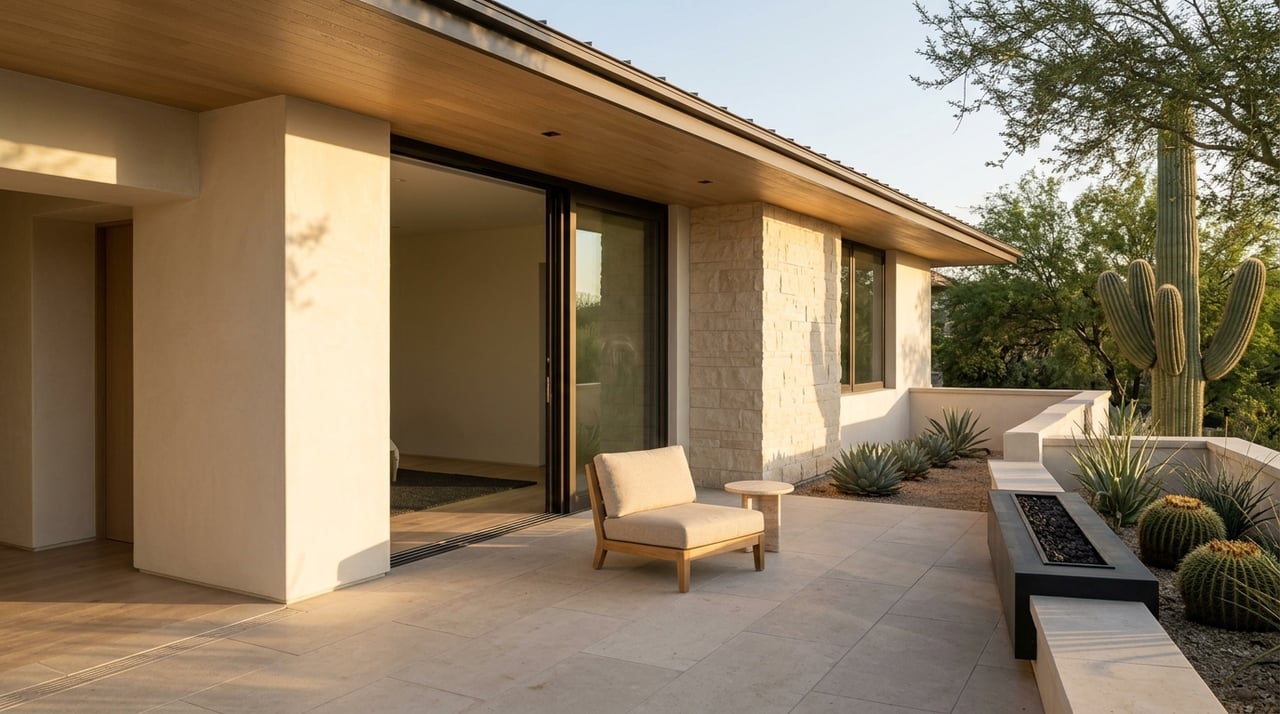
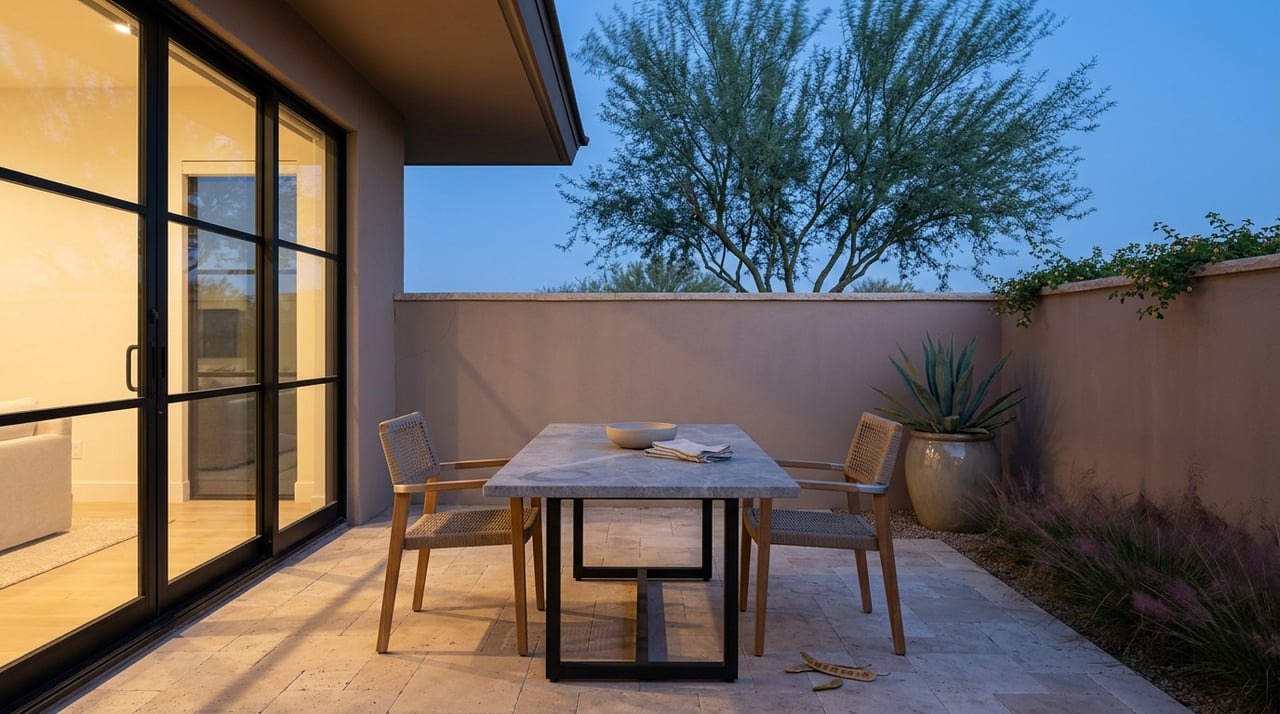
In Paradise Valley, outdoor living is a major part of the value equation. A view terrace, pool deck, ramada, or outdoor kitchen should do more than look impressive. It should feel comfortable, practical, and easy to use.
The Town’s hillside guidance emphasizes harmony with the native desert, protection of site features, limited light pollution, and careful land disturbance. Those priorities support a more thoughtful approach to outdoor design, especially on more sensitive lots.
When comparing homes, look closely at:
A view can impress you in five minutes. A well-planned outdoor space proves itself over years of living and entertaining.
This is one of the most important steps for Paradise Valley buyers. The Town says about 1,000 parcels are designated hillside, covering roughly 2.9 square miles, and it provides a hillside map showing how slope, elevation, and ridgelines were used in the designation.
If the property is hillside-designated, future changes may involve a more detailed review path. That matters whether you plan to build new, remodel, or make site improvements over time.
For hillside properties, the Town requires a Hillside pre-application before an entitlement application is submitted. New construction applications are reviewed by the Hillside Building Committee for compliance with the Hillside Code, including land disturbance, grading, drainage, lighting, heights, and materials.
No building permit is issued until the application has been approved. So if you are buying with plans to reshape the property, expand the home, or significantly alter outdoor features, the timing and complexity of that process should be part of your decision now.
The Town’s 2025 update says public meeting reviews are scheduled, on average, about three months after first submittal. That means buyers who expect to rebuild or substantially remodel should think beyond construction timelines alone.
Town materials also note that hillside projects may require items such as geotechnical evaluations, slope stability analysis, drainage reports, grading and drainage plans, boulder surveys, native plant preservation plans, and lighting plans. In practical terms, that can affect budget, schedule, and feasibility.
Paradise Valley’s long-term appeal is deeply tied to what the Town works to preserve: low-density residential character, scenic mountain settings, and a semi-rural feel within the broader Phoenix metro. For resale, that policy framework can be meaningful because buyers are often purchasing the setting as much as the structure.
In a slower-moving luxury market, durable value often comes from the full package. Homes with comfortable outdoor rooms, protected-feeling sightlines, and a realistic path for future updates may be easier to position later than homes whose appeal depends on a fragile view or a difficult site.
That does not mean every buyer should avoid a more complex homesite. It means you should go in with clear eyes and a solid understanding of what you are buying, what may change, and what improvements are likely to be realistic.
Before you move forward on a Paradise Valley view home, it helps to confirm a few essentials:
In Paradise Valley, these details can make the difference between a home that simply looks impressive and one that continues to feel exceptional over time.
If you are weighing view properties in Paradise Valley, thoughtful guidance can make the process clearer and more strategic. With decades of experience in the local luxury market, Sue Shapiro can help you evaluate not just the beauty of a home, but the details that shape long-term enjoyment and value.
Stay up to date on the latest trends in real estate.
Get assistance in determining current property value, crafting a competitive offer, writing and negotiating a contract, and much more. Contact her today.