4 Important Forms in the Home Sale Process
Sue Shapiro November 4, 2024
Sue Shapiro November 4, 2024
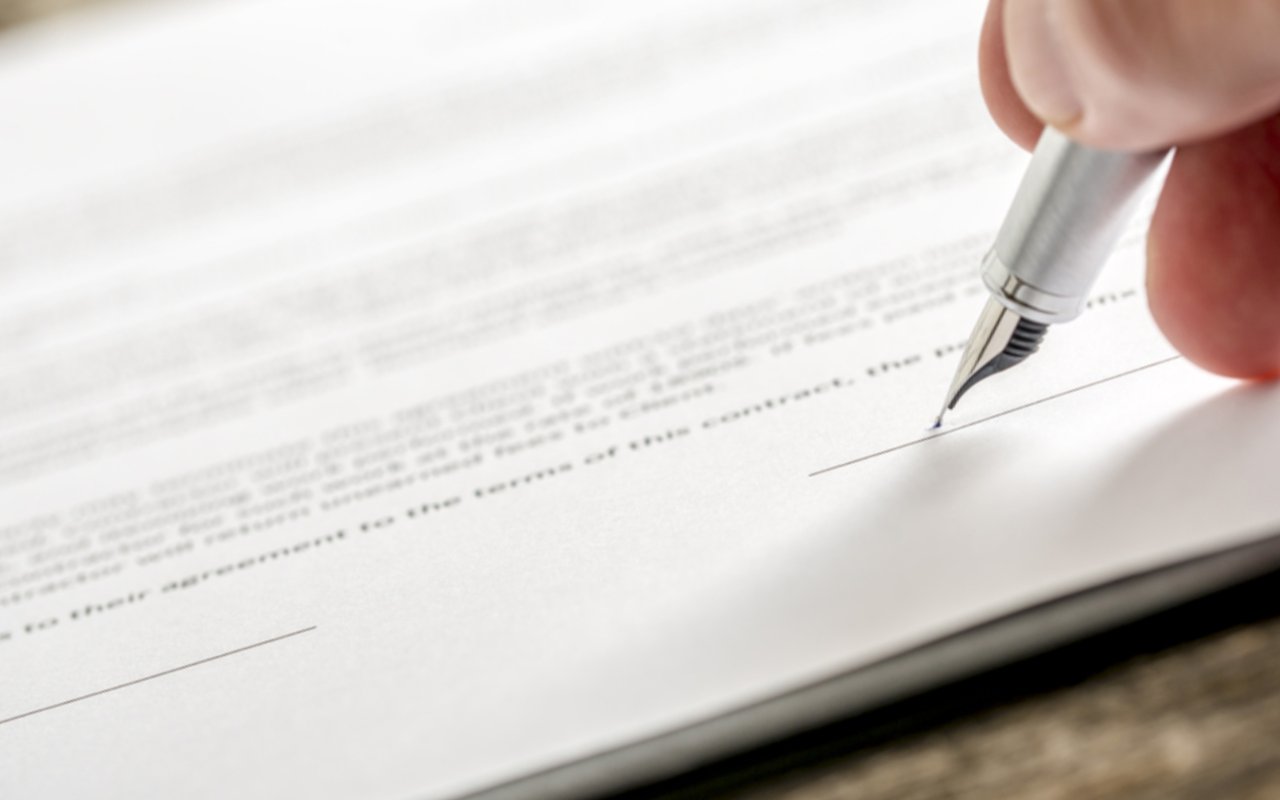
It begins when you list your home ― that soon-to-be mountain of paperwork you’ll sign from listing to close. If it seems like there is a contract or form for every last move you make when selling your home, you may be right. Let’s take a look at some of the most common forms we’ll put in front of you for your signature.
An addendum is a separate document that clarifies or introduces additional information to the purchase agreement. Once signed by all parties, it becomes an integral part of the purchase agreement.
Addenda are used for many things, such as to detail an owner-financing arrangement or to clarify that a house is being sold in "as-is" condition. In a short sale, lenders require that what is known as a “short sale addendum” be included with the purchase agreement.
Some real estate transactions go smoothly, while others have repeated bumps in the road to the closing. When an issue arises, it is typically dealt with by using an amendment to the purchase agreement. Amendments are used any time the parties need to renegotiate contract terms, such as changing the closing date.
When the buyer satisfies the contingencies in the contract, he or she will sign a release, and you, in turn, must sign it as well, signifying that you received it.
There are several types of disclosures that you’ll need to sign. First is the agency disclosure that tells you what type of agency relationship you have with your listing broker.
The most important disclosure, however, is the property condition disclosure. This is typically filled out by the homeowner when the home is listed. It details just about everything that could be wrong with the home, the neighbors, and the neighborhood, and asks if these conditions exist.
It may seem counterproductive to list what’s wrong with your home, but it’s a legal requirement that protects both parties. If you faithfully disclose all known issues, the buyer can’t come back to you down the line and accuse you of not mentioning a material fact about the home.
Yes, the real estate process is one filled with paperwork, and you’ll sign even more at the closing table. After that, however, you can move on to the next phase in your life.
Stay up to date on the latest trends in real estate.









Get assistance in determining current property value, crafting a competitive offer, writing and negotiating a contract, and much more. Contact her today.